
The Registry November 21, 2025
A turnkey building solution born from tragedy offers fire victims a faster, more affordable path home
Rebecca Zandovskis stood in the parking lot of her workplace in early January, watching smoke billow from the Palisades Fire in the distance. She had no idea that within hours, her own Altadena home—the place that had finally made her feel at home again after moving from Cleveland—would be reduced to ash.
“We never assumed it was going to come to us,” Zandovskis recalls. The fire had to travel through thousands of houses, a canyon, and multiple streets to reach her neighborhood. She and her husband evacuated as a precaution, more worried about falling trees and power lines than the flames themselves. By morning, a neighbor’s phone call delivered the
devastating news: their house was gone.
“We didn’t believe it,” she says. “It’s just a fire, it’s the trees, it’s this, it’s that.” But when
they returned—with no one stopping them from entering the still-dangerous zone—the
reality was inescapable. Gas lines were still burning, creating an apocalyptic landscape of
partially destroyed homes and active fires.
Nine months later, Zandovskis has transformed her trauma into purpose. She’s now Senior
Director of Business Development at Genesis Builders, a joint venture between multifamily
developer Cityview and homebuilder Montage Development that’s offering Altadena fire
victims a comprehensive rebuilding solution—and she’s using their services to rebuild her
own home.
A Different Approach
In the chaotic aftermath of the Eaton Fire, Altadena resembled “NASCAR,” as Zandovskis
puts it, with banners from builders and demolition companies plastered across the
devastated neighborhood. Business cards appeared on the fences surrounding rubble. For
shell-shocked residents trying to process their losses, the aggressive marketing felt ill-timed.
Genesis Builders took a different tack. The company’s founders—with a combined 50 years
of building experience in Los Angeles—spent time analyzing what the community actually
needed before making their pitch.
“They took the time to go, okay, what is an issue that these people are going to face?”
Zandovskis explains. The answer: confusion about pricing, timelines, and what was
actually included in a rebuild.
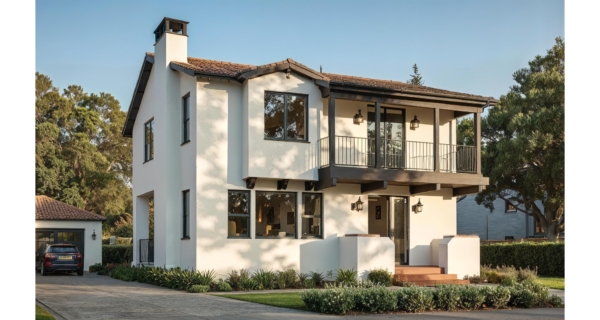
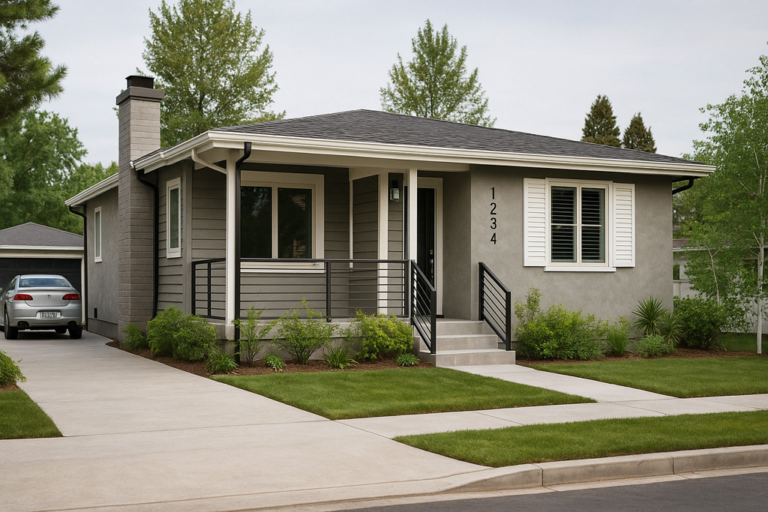
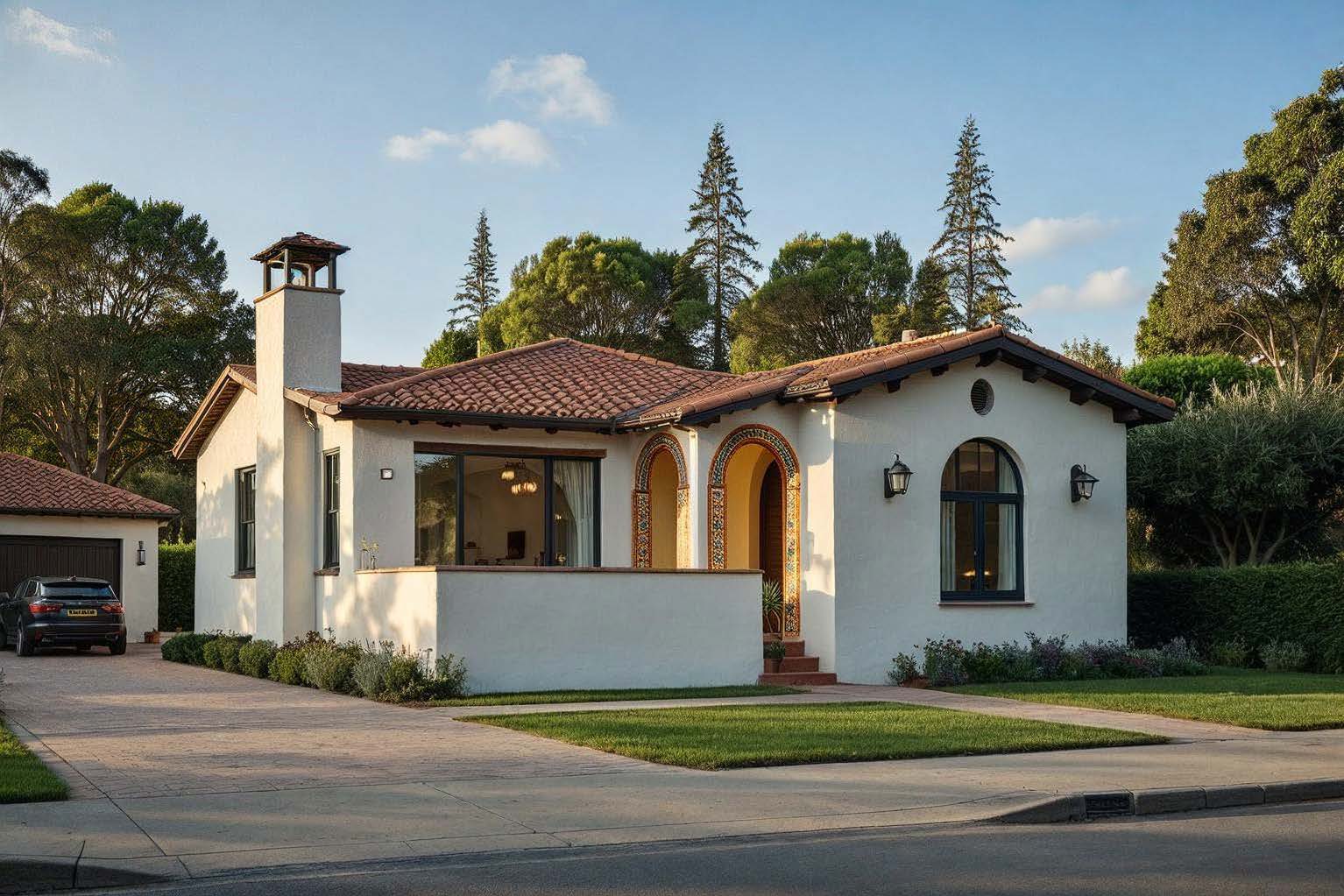
The solution is a fixed-price, turnkey model with 24 pre-approved floor plans available on
the county website. The plans come in six different sizes across four architectural styles—
Southern California Traditional, Foothill Craftsman, Mediterranean Spanish Revival, and
Bungalow—designed to preserve Altadena’s eclectic character while streamlining the
approval process.
“The community knows this is what you’re getting from start to finish, and this is what
you’re paying for,” Zandovskis says. The turnkey approach eliminates the uncertainty that
plagued so many residents trying to rebuild on their own.
The True Cost of Turnkey
Before joining Genesis, Zandovskis attempted to rebuild through custom builders. The experience was frustrating. Price quotes ranged wildly with little clarity on what was included. One builder took a deposit, then came back with something completely different from what was promised.
“What does that even mean?” she asks about per-square-foot pricing. “Is that just the house? Are you also doing my permits? Are the plans included? Is it the materials?”
Genesis addresses this by conducting site-specific assessments during pre-construction to account for variables like grading, drainage, and soil conditions. The final contract price includes a $68,000 site improvement allowance, garage, and provisions for potential tariff impacts. The company even guarantees its 16-month timeline, with exceptions only for weather delays.
One permit component returned in four days—”unheard of,” according to Zandovskis, who knows neighbors who’ve been going back and forth with authorities for months.
The homes aren’t cookie-cutter, despite the pre-approved plans. Zandovskis originally chose a single-story design but switched to two stories after working with Genesis’s in-house architect, who showed her how the change would create more backyard space. Interior finishes range from LG to Thermador appliances, with multiple package options.
Overcoming Skepticism
Genesis has signed up 19 families so far and completed roughly 80 floor plan iterations. But the company’s biggest challenge isn’t competition—it’s credibility.
“They think we’re too good to be true,” Zandovskis says. “I hear on every other call, ‘I wasn’t going to talk to you because my neighbor said if you can build a house in 16 months, it’s not true.’”
Others question quality. “What do those finishes look like if they’re that cheap?” is a common refrain. Zandovskis now keeps samples on hand—like beautiful quartz countertops—to show skeptics. “I’ve never had a kitchen that nice,” is a typical response.
Some residents remain hesitant, wanting to get through the holidays before making major decisions. Others have specific needs Genesis doesn’t yet offer, though the company continues adapting based on community feedback. One of the principals recently joined a sales call to ask potential clients directly: “What do we have or what do we not have? What are you looking for?”
Building Back Safer
Every Genesis home incorporates extensive fire-safety features, many of which Zandovskis didn’t know existed before the fire. The homes comply with Chapter 7A fire codes and include Class A roofing, James Hardie siding, closed eaves and gutters, and interior sprinklers.
Most significantly, all homes are slab-on-grade rather than raised foundation. “A lot of embers got underneath the houses, and that’s how they caught fire,” Zandovskis explains, referencing the company’s research. The design also requires five feet of clearance from combustible landscaping.
For Zandovskis, who spent her career in property management overseeing apartment lease-ups across Chicago, Cleveland, New York, and Los Angeles, the technical details would have been overwhelming without Genesis’s guidance. “I wouldn’t have known that if it wasn’t for Rob who is an engineer” on the Genesis team, she says about requirements like will-serve letters from water utilities.
The Human Element
Beyond construction, Genesis provides what Zandovskis calls “a team of advocates” to navigate the entire rebuilding process—from permits to utility coordination to understanding SBA loans and insurance claims. The company has mapped out where Southern California Edison will be undergrounding power lines in Altadena and knows which properties will be affected.
“It’s not like we’re just like, ‘Hey, hi, my name is Rebecca. Let’s talk about your house,’” she says. “It’s let’s talk about the future. Let’s talk about how you’re going to pay for this. Let’s talk about what this is going to be worth in the future, how you want to future-proof your home.”
This comprehensive approach addresses what some fire survivors call “fire brain”—the cognitive fog that makes decision-making nearly impossible. “Nobody knows what they’re saying half the time or what they’re talking about because they’re just all over the place,” Zandovskis observes.
The community has responded positively, she says, particularly to Genesis’s exclusive focus on Altadena and its hiring of local residents. This Saturday, the neighborhood is celebrating the reopening of Mariposa Junction’s five businesses with ribbon cuttings—the kind of community event that drew Zandovskis to Altadena in the first place.
“We have potlucks still in our burnt down yards,” she says. “That’s what we do.”
What Comes Next
Whether Genesis Builders will expand beyond Altadena remains uncertain. Zandovskis fields inquiries from fire victims in other areas, including Petaluma and Barstow, but says the company’s focus remains on getting Altadena residents home first.
“This has been probably one of the most rewarding things I’ve ever done,” she says. While she’s enjoyed a successful property management career, helping fire victims rebuild feels different. “This is getting people back home.”
As the one-year anniversary of the Eaton Fire approaches, many of Zandovskis’s neighbors remain paralyzed by indecision, wanting to return but unsure how to afford it or navigate the process. That’s exactly whom Genesis was designed to help.
“The whole point of Genesis is just for people who think that [homes] can’t be rebuild, we want to make it possible for them to come back home,” Zandovskis says.
For someone who lost everything in the fire, Zandovskis considers herself fortunate—an irony she acknowledges. “I have the best worst luck,” she tells her husband. “The whole situation was horrible, but I couldn’t have landed in a better spot.”
Her home should be completed within 16 months. And she won’t be rebuilding alone.