
A look at the recovery process one-year after the devastating Pacific Palisades and Eaton wildfires ripped through communities.
By Monée Fields-White
January 5, 2026
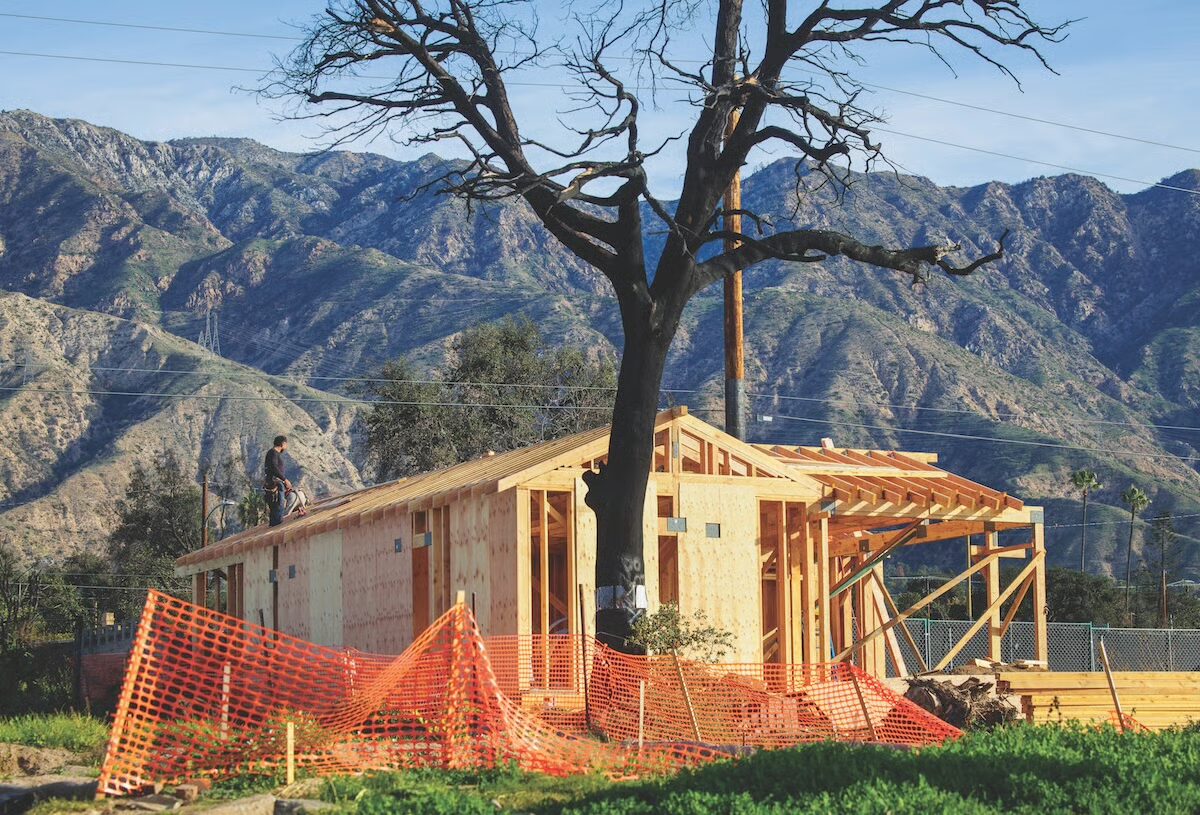
One year ago this week, two fast-moving wildfires fueled by Santa Ana winds and bone-dry conditions tore through Pacific Palisades and Altadena, becoming one of the most destructive fires in Los Angeles County history.
Together, the blazes scorched tens of thousands of acres, destroyed more than 16,000 homes and commercial structures, displaced over 100,000 residents and officially claimed nearly three dozen lives.
In Pacific Palisades alone, nearly 6,800 structures were lost, and 12 people died; in Altadena and nearby Pasadena, the Eaton Fire consumed more than 9,400 homes and businesses and claimed 19 lives. Entire neighborhoods and cultural landmarks – from community churches to beloved businesses – vanished in days.
For homeowners and business owners, recovery has been slow and uneven. Many fire victims remain caught between rebuilding or selling outright, while navigating insurance disputes, delayed payouts and ongoing mortgage obligations on destroyed properties. Federal, state and local relief programs have stepped in to help, though some gaps remain.
“The silver lining of this tragedy is that I get to be a part of rebuilding my community,” said Rebecca Zandovskis, a senior director of business development at Genesis Builders, who lost her Altadena home and is now rebuilding the area.
Ventures underway
The Business Journal featured Genesis Builders – a joint venture between Century City-based real estate investment manager Cityview and Calabasas-based Montage Development – as well as several other such ventures and initiatives offering fire victims structured rebuilding options. Genesis Builders provides Altadena homeowners with a start-to-finish rebuilding process, including pre-construction work, fixed pricing and a 16-month delivery guarantee.
“Genesis is the start of something new,” Sean Burton, chief executive of Cityview, told the Business Journal. “We’re really trying to help people start over.”
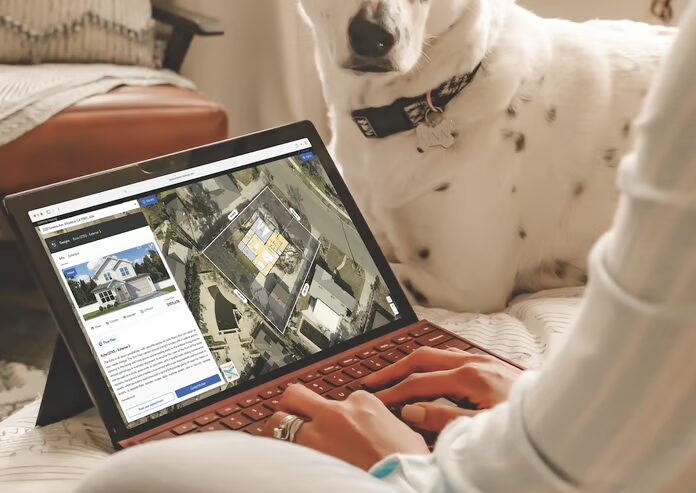
Another venture featured in our publication this year includes Sawtelle-based Crest Real Estate’s “Case Study 2.0” – a catalog of nearly 60 home designs from more than 40 architects. The initiative – which supplies standardized, yet customizable homes that are quicker and cheaper than typical custom builds – offered Palisades and Altadena homeowners a streamlined process with vetted designs, materials and construction partners.
“This is the elevated version of the model home concept,” said Steven Somers, co-founder of Crest Real Estate.
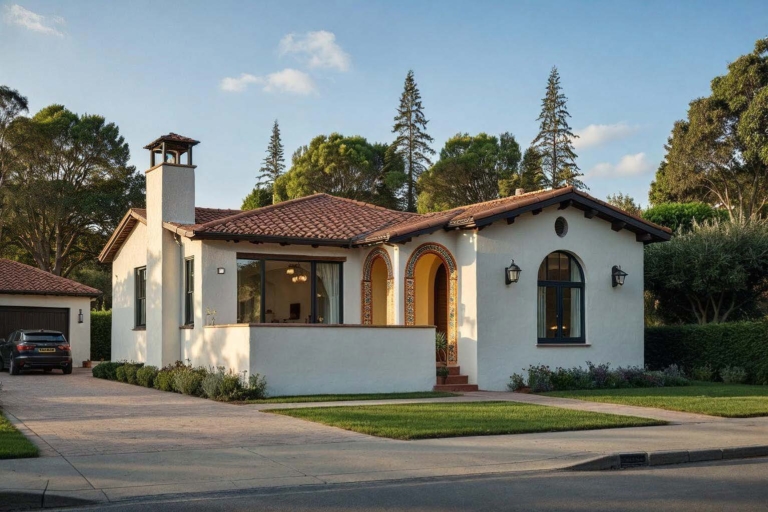
Aliso Viejo-based developer Thomas James Homes also unveiled in December the first rebuilt home in Palisades. The firm, which began construction in May and recently opened a Brentwood design studio, aims to initiate 100 home rebuilds within the next year.
“Completing this first ground-up rebuild in approximately six months shows what is possible when public and private partners work with urgency and purpose,” said TJH Chief Executive Jamie Mead.
Incremental progress
Signs of recovery still have been piecemeal.
In June, the state unveiled the $105 million CalAssist Mortgage Fund, which provides grants covering up to three months of mortgage payments. The funds can be used for future payments, mortgage forbearance, or to catch up on delinquent loans, according to the California Housing Finance Agency.
Permitting activity continues to pick up, though thousands of applications remain in review. In Los Angeles County, more than 2,800 permits have been submitted, nearly 2,100 are in review and about 1,137 have been approved, based on the latest data from the state’s Rebuilding L.A. web portal.
Within the city of L.A., nearly 3,000 applications have been filed; of those, 1,730 have been approved, 1,241 are under review, and over 1,400 have been issued. The city also reported that over 340 projects have begun construction.